Strike Threat at Australian LNG Plants Sparks Concerns Over Global Gas Markets
Posted 11/08/2023 14:01
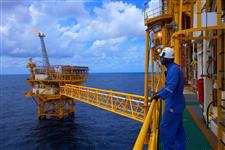
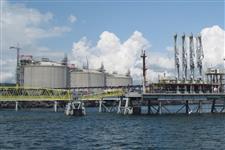
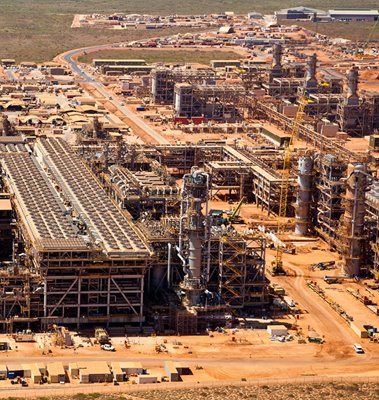
The Fair Work Commission, Australia's labor regulator, has granted approval to a workers' union to hold a strike vote at major Australian LNG plants, representing 10% of the world's LNG supply. This comes as workers at Chevron's Wheatstone and Gorgon LNG export facilities remain embroiled in a dispute with the company over pay and working conditions.
The union, Offshore Alliance, disclosed that negotiations with Chevron have not yielded agreements on key issues, particularly concerning wages. This development has fueled concerns over potential disruptions in LNG supply, driving natural gas prices in Europe up by as much as 30%. Europe's reliance on LNG has rendered its gas market susceptible to significant price fluctuations.
The strike threat has prompted discussions between Woodside Energy, Chevron, and trade unions to avert industrial action and its potential repercussions on the global gas market. Chevron and Woodside Energy's Australian LNG projects, accounting for roughly 10% of global production, have raised concerns of heightened competition between Asian and European buyers for LNG cargoes.
Australia, the world's largest LNG producer, exported 80.9 million metric tons in 2022, solidifying its share of the global LNG market at 20.2%. While the majority of Australia's LNG exports head to Asian markets under long-term contracts, concerns linger over a potential strike's impact on supply.
Should the strike proceed, it could disrupt significant LNG operations, with the Northwest Shelf (NWS), Gorgon, and Wheatstone facilities being the most affected. These facilities collectively hold a nameplate capacity exceeding 40 million metric tons per annum (Mtpa), approximately 50% of Australia's total production. Analysts project the potential disruption to reach 50-60 cargoes per month, significantly impacting global gas prices.
Despite the potential for supply disruption, analysts note that Woodside's history of effectively managing labor disputes suggests a likely resolution to the ongoing negotiations. The strike threat has already prompted market responses, as North Asian countries such as Japan and Korea aim to mitigate supply risks. While current spot LNG prices remain steady, the looming strike has contributed to a 10-15% increase in prices for contracts over the next two months. The escalation of the situation could lead to further price spikes, highlighting the global implications of labor disputes in regional energy markets.