Azerbaijan Targets Increased Natural Gas Exports to Europe, Awaits Infrastructure Boost
Posted 11/12/2023 13:17
Azerbaijan is steadfast in its ambition to expand natural gas pipeline exports to Europe, with a target of reaching 20 billion cubic meters by 2027. President Ilham Aliyev expressed this goal at the inauguration of a gas interconnector between Serbia and Bulgaria in Nis, Serbia. Despite a modest growth projection of just over 5% in 2023, Aliyev anticipates Azeri gas sales to Europe surpassing 12 billion cubic meters this year.
In 2022, Azerbaijan witnessed a significant uptick in gas deliveries to Europe, reaching 11.4 billion cubic meters compared to 8 billion cubic meters in 2021. This surge was attributed, in part, to the halt in Russian gas exports by Gazprom.
Aliyev underscored the importance of infrastructure improvements in Southern Europe to facilitate the anticipated growth in gas transmission. The completion of the Serbia–Bulgaria gas interconnector is a key development, with its transmission capacity of 1.8 billion cubic meters per annum enhancing gas flows between the two countries.
Socar, Azerbaijan's state-run oil and gas producer, recently signed a gas delivery agreement with Serbia, emphasizing the collaborative efforts in advancing energy cooperation. Aliyev expects Azeri gas deliveries to Bulgaria to reach 1 billion cubic meters in 2023, doubling the 500 million cubic meters delivered in 2022.
Azerbaijan has been diversifying its gas supply agreements, including recent deals with Hungary and Romania, adding to existing contracts with Italy and Greece. Despite Moscow's earlier claims about Azerbaijan's resource base, experts, such as Ilham Shaban from the Centre for Oil Studies, believe the country possesses sufficient gas reserves to meet long-term export targets.
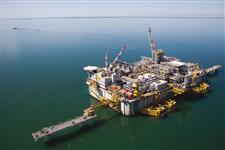
However, challenges remain, particularly in sourcing export gas from domestic developments by the 2027 deadline. Shaban highlights the absence of a commercial gas sales agreement for the second phase of the Absheron offshore project, a crucial contributor to Azerbaijan's European gas export expansion. The potential gas resources from projects like Azeri-Chiraq-Gunashli and Umid offshore field are seen as additional contributors.
The Serbia–Bulgaria gas interconnector, spanning 170 kilometers, plays a pivotal role in securing alternative gas supplies and changing the energy map of Europe. The European Commission co-funded sections of the pipeline, emphasizing the significance of the interconnector in enhancing regional energy security.
The completion of this project reflects a broader shift towards diversified gas sources, reducing dependence on Russian gas, as stated by Serbian Mining & Energy Minister Dubravka Djedovic Handanovic and Bulgaria's President Rumen Radev at the inauguration ceremony.