Lengthy Strikes Required for Australian LNG Disruption to Impact Global Prices, Analysts Suggest
Posted 23/08/2023 13:01
Potential strikes by workers at Australian liquefied natural gas (LNG) facilities would need to extend beyond a month to have a substantial effect on global prices, according to analysts' assessments.
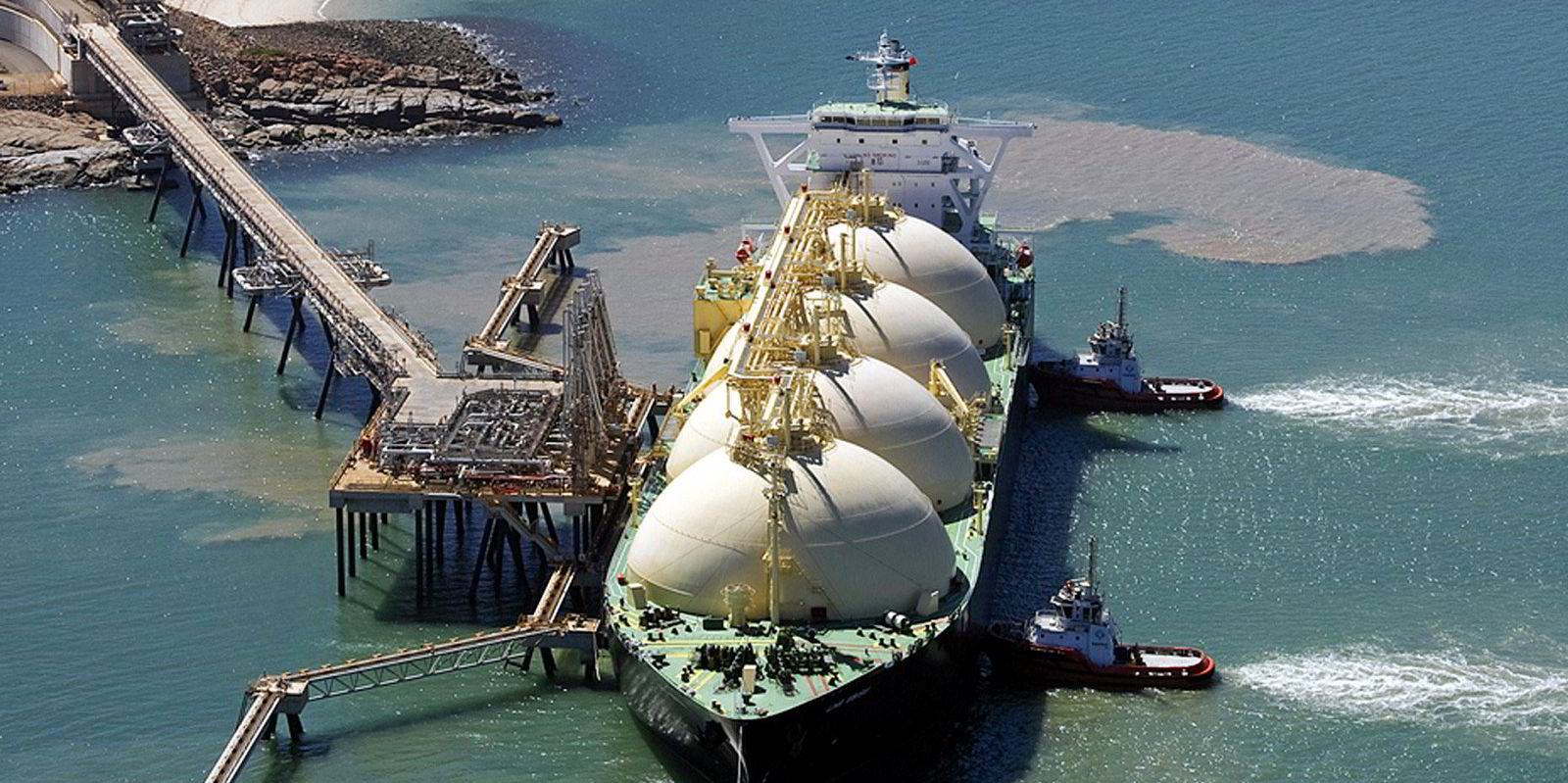
Operations managed by Woodside Energy and Chevron collectively contribute around 10% of the global LNG output. Concerns of a labor strike have resulted in European gas benchmark TTF forward curve prices rising 5%-7% higher for the period between September and April compared to levels just before news of the possible strike emerged.
The three Australian LNG plants at risk of strikes could lose approximately 4 to 5 billion cubic meters of production per month if they were to shut down, as indicated by the Columbia Center on Global Energy Policy.
However, analysts argue that the potential for production disruptions has already been factored into the pricing. Furthermore, significant levels of LNG storage in both Asia and Europe diminish the likelihood of substantial price hikes should short-term strikes materialize.
Bradley Churchman, an analyst with the RBAC forecast firm, stated that even if production were halted for a month across the three plants, Asian prices would remain relatively stable. Only a minor increase is projected between September and November. Without strike-related risks, the Asian LNG benchmark is anticipated to fluctuate between $11.70 and $15.00 per million British thermal units (mmBtu) for the year, peaking at $23.60 in January due to heightened winter heating demand.
The average LNG price for October delivery in northeast Asia rose to its highest level since mid-March, reaching $14.00 mmBtu on Friday from the previous week's $11.50.
Recent price surges in the European LNG market are considered by analysts to be potentially exaggerated. Should all three facilities cease operations for over a month, the price disparity between Europe and Asia might increase, noted Min Na, an analyst with consultancy Energy Aspects.
Gas storage levels in both Europe and Asia are above 90%, indicating preparations for winter demand and efforts to prevent a recurrence of last year's supply shortages.
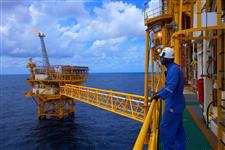
Unions affiliated with Woodside Energy Group's North West Shelf offshore gas platforms announced their intent to strike as early as September 2 due to pay and working conditions. Chevron's Wheatstone and Gorgon LNG plants are also facing a final strike vote on Thursday.
Min Na remarked, "We reckon companies will try to avoid major disruptions given the scale of their supply portfolio at risk."