Chevron Faces Strike Disruption at Australian LNG Facilities Amid Legal Strategy Uncertainty
Posted 11/09/2023 11:07
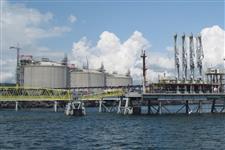
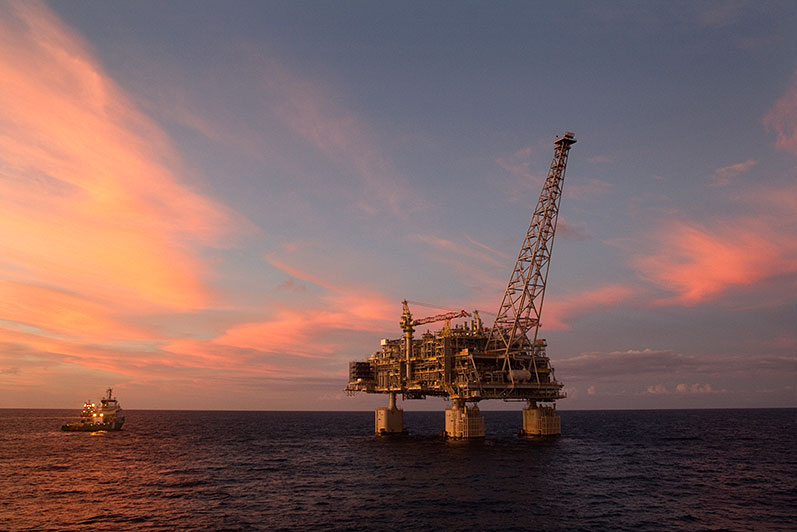
Workers at Chevron Corp.'s liquefied natural gas (LNG) facilities in Australia have initiated a planned strike that could last for at least three weeks, potentially disrupting LNG supply to Asian markets. These facilities, including the Gorgon and Wheatstone projects, and Chevron's stake in the North West Shelf facility, primarily export their output to Asian countries under long-term contracts.
The strike began after intervention by Australia's Fair Work Commission (FWC) failed to reach an agreement, despite multiple rounds of negotiations. The strike was organized by the Offshore Alliance, comprising the Australian Workers' Union (AWU) and the Maritime Union of Australia, which accused Chevron of circumventing bargaining negotiations.
Initially planned as a seven-day walkout, the strike has since been extended for at least two more weeks. The Offshore Alliance represents a significant portion of the workforce, with members from various unions voting overwhelmingly in favor of the strike.
Key demands of the strike include better employment standards, such as job security, agreed rosters, mutual agreement on transfers, overcycle work conditions, training standards, travel arrangements, and rates of pay. Chevron's proposed enterprise agreement (EA) was rejected by the workforce, leading to the strike.
Compared to some Tier 2 oil and gas operators in Australian waters, Chevron's remuneration terms were deemed lower by the workers. In contrast, workers at other LNG facilities in Australia, such as Shell, INPEX, and Woodside, have successfully negotiated EAs.
Despite the strike, Chevron is committed to maintaining safe and reliable operations at its LNG facilities.
The strike could potentially impact Japanese LNG buyers the most, although initial impacts may be limited due to high inventory levels in Asia. However, if the strike continues for an extended period, it may have a more significant impact on LNG supply.
The Offshore Alliance had also previously warned of potential supply uncertainty in Western Australia due to strike action. It's worth noting that a strike at the Woodside-operated North West Shelf plant was averted through an in-principle agreement with the Offshore Alliance.
As the strike continues, Chevron Australia has shifted its approach. Instead of pursuing further negotiations, it will pursue an untested legal strategy. Chevron plans to apply to Australia's industrial umpire, the Fair Work Commission (FWC), for an "intractable bargaining" declaration, a move that could end the strikes and allow the umpire to dictate an agreement.
Chevron cites the unions' demands as "significantly above the market." Production at the LNG facilities continues during the strike, although Chevron has not provided further details.
The legal strategy is based on new laws introduced in June, empowering the FWC to intervene and force an agreement if parties cannot reach one themselves. However, given that full-scale strikes are set to begin, it's unlikely the FWC will have time to adjudicate before the strikes escalate.
Analysts suggest that while output disruptions may not occur immediately, Chevron has made preparations to minimize supply disruptions during the strike. Chevron has stored reserves, and some employees have volunteered to work during the strike to maintain domestic supplies.
The Offshore Alliance, representing the unions, has indicated that it is preparing for an extended dispute, potentially leading to substantial revenue losses for Chevron from LNG exports.
As the strike unfolds, Chevron's legal strategy will be a significant test of Australia's new industrial laws, which aim to resolve industrial disputes in critical industries.