
North Sea Gas Cleaner Than Imports, NSTA Analysis Shows
Posted 31/07/2023 12:17
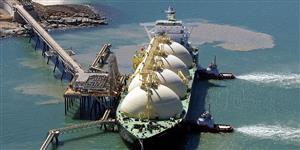
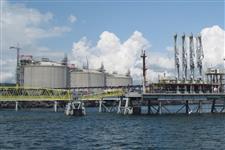
Analysis conducted by the North Sea Transition Authority (NSTA) reveals that North Sea gas is significantly cleaner and more supportive of achieving net zero greenhouse gas emissions compared to imports. The research indicates that domestically produced gas is nearly four times cleaner than imported gas in LNG form. The difference in emissions is attributed to the process of liquefaction, transportation via shipping, and regasification for use.
The carbon intensity of UK gas is impressively low, at only 21 kgCO2/boe, while the average for LNG imports stands at 79 kgCO2/boe, with Peru having the highest at 90 and Norway the lowest at 33. The analysis shows that although 63% of the UK's gas supply is imported, this accounts for 24% of the total emissions associated with gas supply, while the domestically produced 38% is responsible for only 24% of the emissions.
Oil and gas currently fulfill about three-quarters of domestic energy needs, and while the demand is expected to reduce, they will continue to play a significant role during the transition to net zero. The NSTA is assessing bids for licences in the 33rd Oil and Gas Licensing Round to ensure energy security and reduce reliance on more carbon-intensive gas imports.
The NSTA has already offered 21 carbon storage licences from the UK's first-ever Carbon Storage Licensing Round, which could store up to 10% of total annual UK emissions. The authority is actively working to reduce emissions from flaring and venting, aiming to ban routine venting and flaring for all by 2030. Additionally, the NSTA supports platform electrification and expects industry investments in this area.
Through its interventions, the NSTA has prevented the lifetime emission of 3.9 million tons of CO2e, equivalent to taking 1.9 million cars off the road for a year. The director of strategy at NSTA, Hedvig Ljungerud, emphasizes the benefits of continuing to produce clean gas to support energy security and the journey to net zero, while collaborating with the industry to drive emission reductions and promote the energy transition.