Nigeria's NNPC Signs LNG Agreements for Domestic and International Markets
Posted 08/12/2023 15:01
The Nigerian National Petroleum Corporation Ltd. (NNPC) has entered into two significant agreements to facilitate the delivery of liquefied natural gas (LNG) to both domestic and international markets. These agreements were announced at the sidelines of COP28 in the United Arab Emirates.
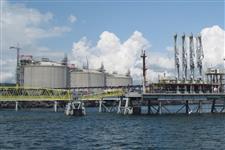
Firstly, NNPC signed a memorandum of understanding with China's Wison Heavy Industry Co. Ltd for the development of a floating LNG project in Nigeria, targeting the international LNG market. The collaboration aims to establish a roadmap leading to an investment decision, reflecting NNPC's strategic efforts to tap into global LNG demand.
In another major development, NNPC Prime LNG Ltd., a subsidiary of NNPC Trading Ltd., inked a supply, installation, and commissioning agreement with independent oil and gas company SDP Services. This agreement is for a Small Scale LNG (SSLNG) Project located at Ajaokuta in Kogi State, Central Nigeria, with a capacity of 421 metric tons per day. The SSLNG Project is designed to efficiently supply LNG to autogas/compressed natural gas (CNG) customers, as well as industrial and commercial customers across Nigeria. The project is expected to be operational by December 2024.
NNPC Executive Vice President for Gas, Power, and New Energy, Olalekan Ogunleye, emphasized the significant impact of these projects on Nigeria's gas commercialization and foreign revenue generation. The SSLNG Project, in particular, aligns with NNPC's commitment to realizing the country's gas and power aspirations.
NNPC Trading Managing Director, Lawal Sade, highlighted the SSLNG Project's role in promoting the domestication of LNG utilization, supporting auto-gas initiatives, and meeting industrial and commercial demands. The project aims to deliver approximately 420 metric tons per day of LNG into the domestic market.
At COP28, NNPC Executive Vice President for Upstream, Oritsemeyiwa Eyesan, addressed the Oil and Gas Decarbonization Charter, emphasizing its significance for the entire African sub-region. The charter outlines goals for the oil and gas sector, including achieving net-zero emissions for operations by 2050, near-zero methane emissions, and no routine flaring by 2030. Eyesan expressed NNPC's commitment to working with stakeholders to achieve these targets and highlighted finance and technology as key challenges that require collaboration with partners possessing the necessary resources.
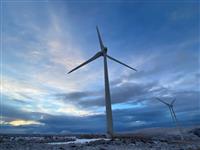
Furthermore, Eyesan reiterated NNPC's commitment to expanding alternative energy sources, including solar, wind, and other renewables. This aligns with the company's broader vision for sustainable and diversified energy solutions.