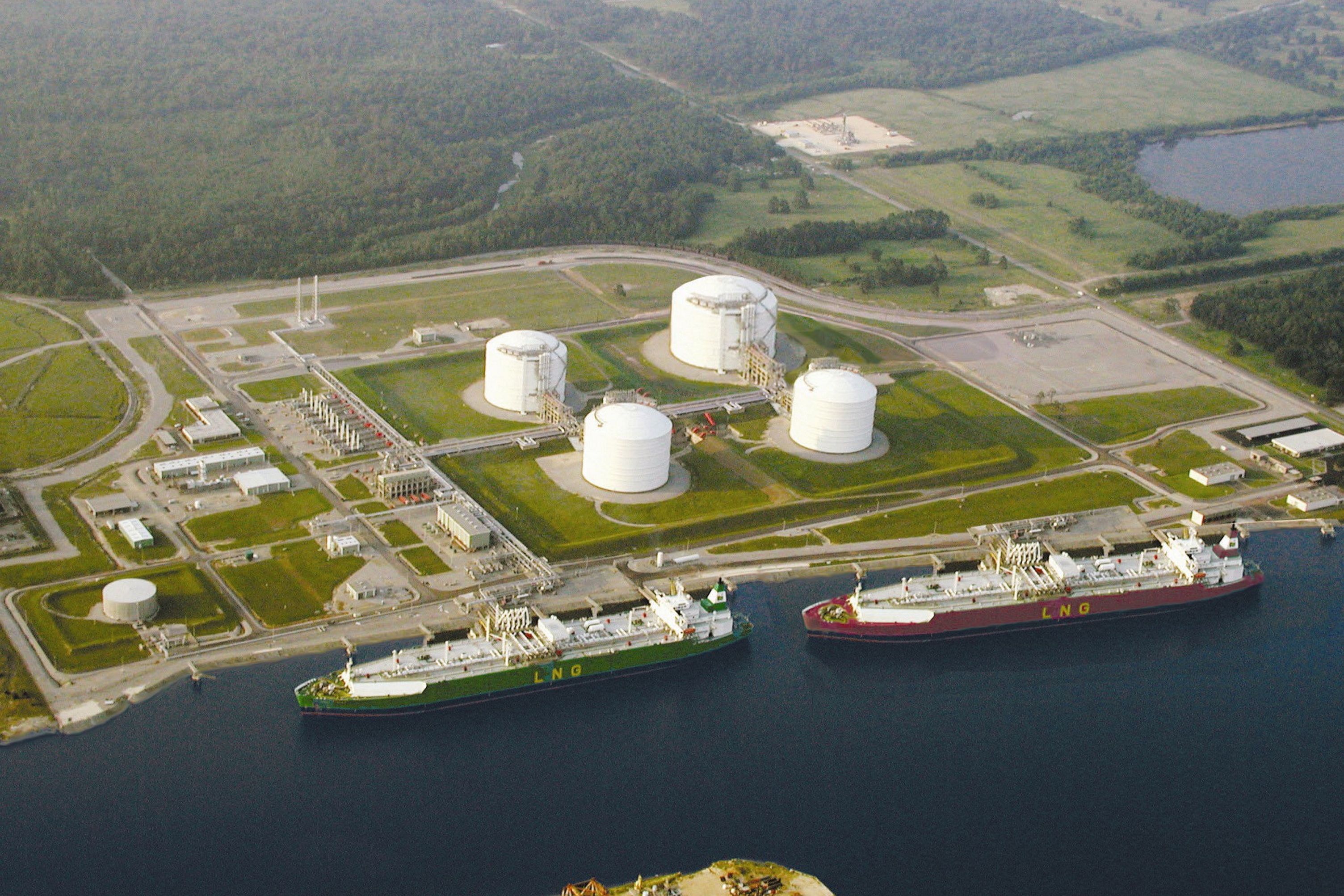
Ireland Rejects LNG Terminal Project on Climate Grounds
Posted 03/10/2023 12:56
In a bold move aligned with climate action, Ireland has rejected a proposal for a liquefied natural gas (LNG) import terminal on the Shannon estuary, along with an associated gas-fired power plant. The decision was made based on Ireland's energy and climate action plan, which mandates an annual reduction of 7 percent in greenhouse gas emissions between 2021 and 2030. This refusal is considered unique because it's driven by climate considerations rather than local environmental opposition.
Ireland's resolute stance against an LNG facility stands in contrast to some European nations that have expanded their LNG infrastructure in response to energy security concerns. Germany, for instance, rapidly added three floating LNG facilities, and France reconsidered its stance on LNG amid the conflict in Ukraine.
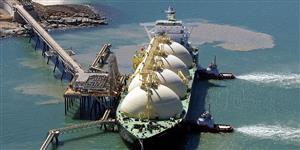
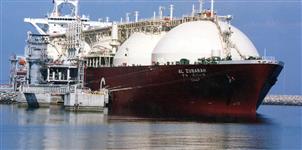
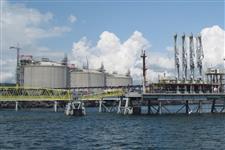
The proposed LNG project in Ireland, sought by US LNG developer New Fortress Energy Inc., aimed to establish a floating terminal for LNG imports to supply a 600MW power generation plant. Minister for the Environment Eamon Ryan emphasized that while natural gas won't be immediately removed from the energy grid, it has a backup role as Ireland strives to meet most of its energy needs through renewables.
However, Ireland faces the challenge of being relatively isolated from European energy markets. While it has domestic gas resources and subsea interconnectors with the UK, consumption has been rising. To address energy security concerns, a floating storage and regasification unit was suggested in a 2022 review.
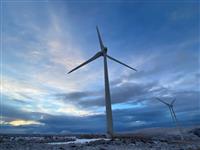
Now, with the rejection of additional gas import facilities, Ireland will need to intensify its renewable energy efforts. The country aims to increase its onshore wind energy capacity from 4.59GW to 6GW by 2025 and achieve 80 percent of its energy needs from clean sources by 2030, up from the current 37 percent.
The focus will be on how Ireland manages supply and addresses the intermittency of renewable energy sources as it moves toward a more sustainable energy future.