Inkoo LNG Terminal in Finland Invites Bids for 5,600gWh Capacity Amid Balticconnector Pipeline Suspension
Posted 26/10/2023 13:48
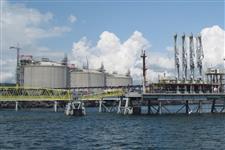
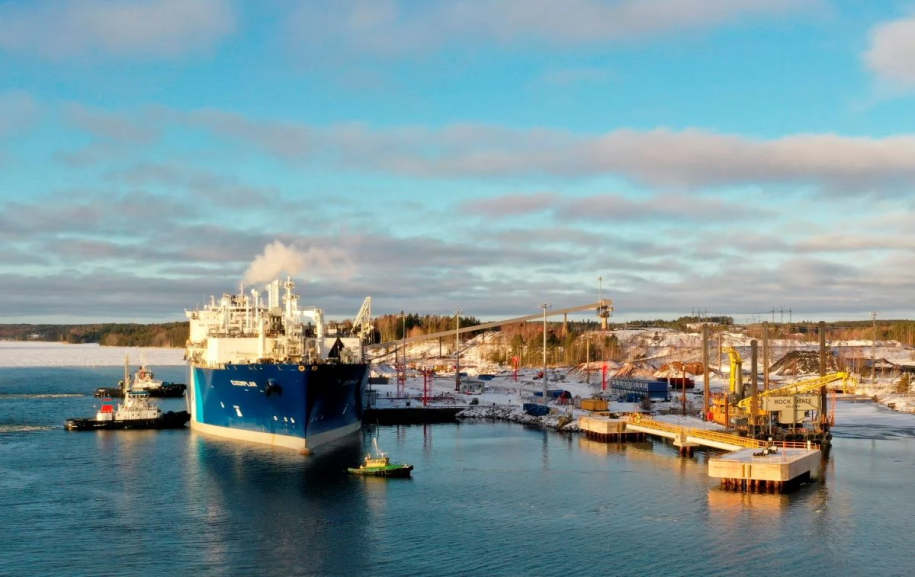
The LNG terminal in the Finnish port of Inkoo has launched a call for applications, opening up 5,600 gigawatt hours (gWh) of slots to compensate for the suspended Balticconnector pipeline. Gasgrid Finland Oy, the state-owned operator, is offering seven slots with 800 gWh capacity each for a period of approximately two weeks each, from December 14, 2023, to April 6, 2024.
Unsold capacity initially designated for the fourth quarter of 2023, now converted to six joint-use slots, is being made available due to the temporary changes in the Inkoo floating LNG facility's regulations, approved by the Finnish Energy Authority following the Balticconnector pipeline leak-induced suspension. Notably, these changes ensure fair and nondiscriminatory access to the unsold capacity, aligning with the Joint Use principles.
Gasgrid highlighted that the slot sizes are calculated based on 800GWh cargoes, with delivery windows structured to accommodate this capacity. However, users have the option to request cargo sizes below the maximum capacity, provided it aligns with the operator's terms and conditions.
The suspension of the 152-kilometer Balticconnector pipeline, following a leak incident, has not affected gas supply stability in either Finland or Estonia. Gasgrid emphasized the stability of the Finnish gas system, with the capacity of the LNG terminal in Inkoo securing gas supply even during the high-demand winter seasons.
The Inkoo LNG terminal, which commenced operations in January 2023, serves not only Finland but also neighboring countries such as Estonia, Latvia, Lithuania, and Poland. It marks the first LNG depot in a non-gas-producing country, signifying Finland's strategic steps toward diversifying its energy sources and ensuring a continuous and stable gas supply for the region. The project's initial LNG cargo, sourced from Venture Global Calcasieu Pass LLC in Louisiana, USA, arrived in April 2023, underscoring the terminal's crucial role in enhancing energy security and resilience in the Baltic region.