Indonesia's Ambitious Gas Growth Faces Investor Challenge Following Shell and Chevron Departures
Posted 11/08/2023 14:24
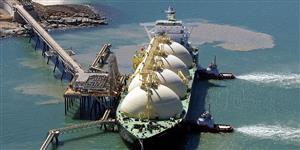
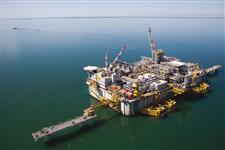
Indonesia, in a bid to bolster its gas production by more than double by 2030, is banking on the recent exit of global giants Shell and Chevron from long-delayed natural gas ventures to catalyze development. The Masela and Indonesia Deepwater Development (IDD) projects, estimated to cost $27 billion collectively, represent crucial trials for Indonesia to underscore its commitment to attracting oil and gas investments and reversing a decade-long production decline, even as the specter of climate change looms over fossil fuel demand.
The imperatives for Indonesia are clear, as Benny Lubiantara, a senior official at the upstream regulator SKK Migas, emphasizes, "Our window is short, we are competing with the energy transition."
The projects, however, grapple with a series of challenges, including domestic gas price caps, gas export restrictions, and the substantial costs associated with carbon capture and storage, essential components for new gas projects aimed at combatting global warming.
Shell's recent decision to divest its stake in the Masela project to Pertamina and Petronas, and Chevron's agreement to sell its IDD project stake to Eni, have paved the way for Indonesia's government to re-negotiate fresh terms for these major gas ventures, following years of delays.
A resurgence in investment is pivotal for Indonesia to fulfill its ambitious gas production goal of 12 billion cubic feet per day (bcfd) by 2030, crucial to meet burgeoning local demand. Projections indicate a 19% surge in local gas demand from 2023 to 2030, as per estimates from the Institute for Essential Services Reform.
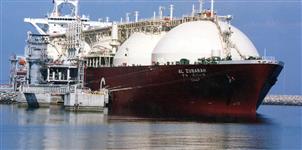
By actively reinvigorating projects like IDD and Masela, Indonesia seeks to secure its position as a net gas exporter, amid a backdrop of shrinking LNG exports. Over the last decade, the country's LNG exports have dwindled by half, as highlighted by Kpler data.
A decade without greenlighting significant oil or gas initiatives has hindered Indonesia's investment landscape. Complex fiscal terms further impede progress, creating uncertainty around revenue sharing and making it challenging for potential investors to assess risks and returns. This intricate framework, combined with the looming carbon capture and storage expenditure, renders current returns unappealing for most projects, despite the pressing need for investment.
Indonesia is contemplating revisions to its revenue sharing scheme, which could potentially stimulate investment. The IDD project's immediate priority is the extension of production-sharing contracts for expiring blocks, essential for sustained progress, notes Prateek Pandey of Rystad Energy.
With Pertamina's involvement, the Masela project, poised to fuel the Abadi LNG endeavor, gains substantial backing from the Indonesian government. The combined contributions of projects like IDD, Masela, BP's Tangguh Train-3, and Pertamina's Jambaran Tiung Biru could significantly amplify gas production, from the existing 5.3 bcfd to an additional 3.5 bcfd, according to SKK Migas data.
To fuel growth, Indonesia is auctioning multiple gas blocks this year, including the expansive Natuna D-Alpha block, housing one of the world's largest gas resources. This effort reflects Indonesia's urgency to secure investments in fossil energy development while navigating a landscape poised for change.
With the countdown ticking, SKK Migas' Benny underscores the need for swift action, asserting, "It is very important to make investment now, or never."