Gazprom Completes Maiden LNG Delivery to China via Arctic Route
Posted 18/09/2023 12:48
Gazprom PJSC, a major Russian energy company, has made its debut LNG delivery to China via the Northern Sea Route in the Arctic Ocean. This achievement underscores the growing importance of China as a key market for Russian energy resources, particularly in light of ongoing sanctions related to Russia's actions in Ukraine.
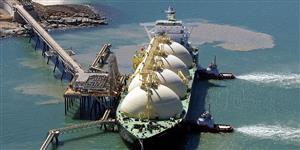
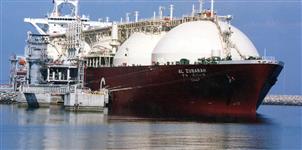
The delivery, originating from Gazprom's facilities near the Portovaya compressor station, reached its final destination at the Tangshan LNG import terminal in China. Although specific details about the volume and value of the transaction remain undisclosed, this historic event marks the first instance of Gazprom utilizing the Northern Sea Route for LNG transport. This route offers significant time savings compared to traditional shipping routes through the Suez Canal in Egypt or around the Cape of Good Hope in South Africa.
Gazprom's rival, Novatek PJSC, had previously employed the Northern Sea Route for gas deliveries to China. Novatek's inaugural gas delivery to China via this route took just 22 days, a substantial reduction compared to the extended journey through the Suez Canal. Novatek had employed specially designed ARC 7 ice class carriers capable of navigating the route without the need for icebreaker assistance.
Gazprom has set its sights on expanding gas exports to China, a market that has seen significant growth in gas imports during the first eight months of 2023. Gazprom has played a pivotal role in meeting over half of this heightened demand. To meet these increased requirements, Gazprom is working to enhance its gas transmission capabilities, with a particular focus on the Far Eastern route.
This drive to expand exports aligns with the vision outlined by President Vladimir Putin, who anticipates a substantial rise in gas exports to China by 2030. Gazprom and China National Petroleum Corp. have inked agreements to construct the Power of Siberia II gas pipeline, further bolstering gas supplies to China.
This shift in energy exports signifies a diversification of Russia's energy customer base. It also serves as a strategy to mitigate the economic impacts of declining energy exports to the European Union, which have dwindled notably due to sanctions and changes in trade dynamics.
In essence, this landmark LNG delivery to China via the Arctic Route underscores the ever-growing importance of China in Russia's energy export strategy, presenting opportunities and challenges as the two nations deepen their energy partnership.