EU Gas Matchmaking Results in Potential Deals of Nearly 424 Bcf
Posted 17/07/2023 11:33
The European Union's platform for collective gas purchases among member countries has facilitated potential deals totaling approximately 423.78 billion cubic feet (12 billion cubic meters) with international suppliers.
As part of the REPowerEU strategy, the EU Energy Platform allows the 27-member bloc to consolidate demand, negotiate with global partners, and coordinate collective purchases, aiming to diversify supply away from Russia.
Following Russia's invasion of Ukraine in February 2022, the EU announced its commitment on March 11 of that year to phase out fossil fuels as its traditional energy source by 2027. On May 18, 2022, the EU launched the REPowerEU initiative, outlining measures toward achieving this goal.
On May 16, 2023, the EU announced the first international tender under the joint gas buying platform, resulting in suppliers matching with customers for nearly 385 Bcf (10.9 Bcm) in potential purchases.
The second round surpassed that figure, adding approximately 35 Bcf (1.0 Bcm), as stated in a recent press release by the European Commission.
In the latest round, the EU posted around 562.21 Bcf (15.92 Bcm) in demand, while 25 "reliable international suppliers" offered to supply approximately 536.43 Bcf (15.19 Bcm).
The joint purchasing service, operated by Prisma European Capacity Platform GmbH, successfully matched the most attractive offers with customer demands, according to the commission. All participants have been informed of the matching results and can now initiate contractual negotiations with full confidentiality outside the AggregateEU mechanism, which refers to the demand aggregation and purchasing service.
AggregateEU welcomes producers from any country except Russia, while buyers may include EU companies as well as those from Albania, Bosnia and Herzegovina, Georgia, Kosovo, Moldova, Montenegro, North Macedonia, Serbia, and Ukraine.
Scheduled deliveries between August 2023 and March 2025 have been planned by prospective buyers participating in the second tender, as announced by European Commission Vice-President Maros Sefcovic. This timeframe aims to accommodate the purchasing patterns of energy-intensive industries that buy gas over longer periods.
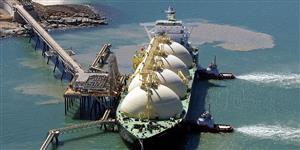
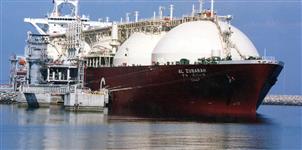
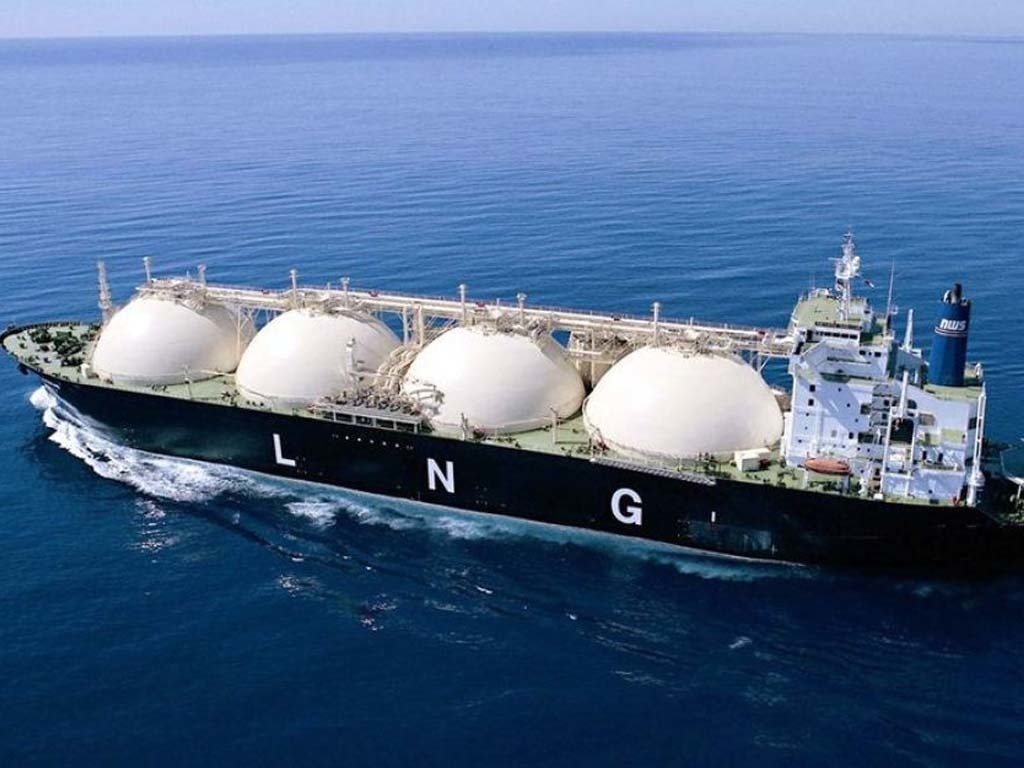
Out of the total volumes set for negotiation under the second tender, approximately 194.23 Bcf (5.5 Bcm) consists of LNG, while over 226 Bcf (6.4 Bcm) is pipeline gas, according to Sefcovic. The majority of potential volumes in the first round were also expected to be delivered via pipeline, according to the EU's previous announcement on May 16.
During the bidding process of the first tender, the offered volumes by suppliers exceeded the posted demand of around 409.65 Bcf (11.6 Bcm) by nearly 64 Bcf (1.8 Bcm).
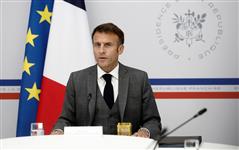
Sefcovic highlighted the positive results of the second call and emphasized the importance of joint efforts, pooled demand, and collaboration to ensure stable and affordable gas supplies to the EU market. He called for the expansion of the common purchase platform to include hydrogen, renewable gases, strategic raw materials, and other commodities.
The European Commission stated that more aggregation and tendering rounds will follow by the end of 2023, with the next one expected to be launched after the summer.
To ensure a share in storage volumes of AggregateEU purchases, the EU has set a minimum requirement of 15 percent, amounting to nearly 476.75 Bcf (13.5 Bcm).
In addition to diversifying sources and reducing dependence on Russian energy, the REPowerEU initiative aims to attract approximately $11 billion (EUR 10 billion) in investments by 2030 to build LNG import terminals, pipelines, and related infrastructure.
Although historically the top market for Russian energy, the EU accounted for only eight percent of the country's mineral fuels exports in December 2022. The EU's share has consistently declined since March 2022 when it constituted 17.4 percent of total Russian shipments, as reported by the World Bank in its June 6, 2023, outlook report. In March 2023, the EU's share of Russian mineral fuel imports stood at 2.2 percent, according to the data presented.