IEEFA Raises Concerns Over Overbuild of LNG Infrastructure in South Korea
Posted 01/12/2023 14:38
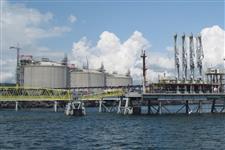
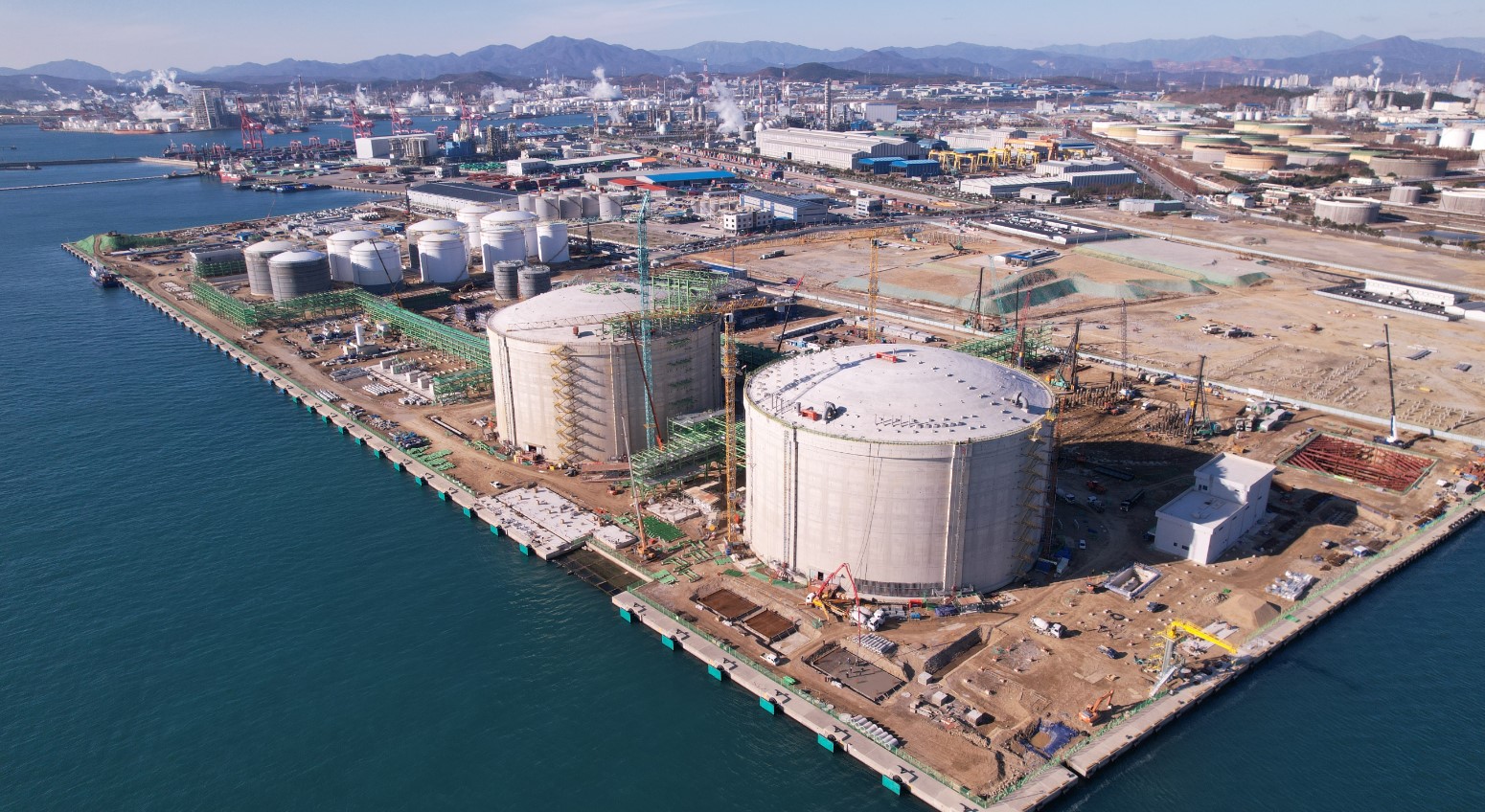
A report by the Institute for Energy Economics and Financial Analysis (IEEFA) has highlighted the risk of overinvestment and overcapacity in South Korea's liquefied natural gas (LNG) import and storage terminals. The country is currently undergoing significant development in LNG infrastructure, with around ₩11.3 trillion ($8.7 billion) being invested in projects at various stages of construction or planning. The report cautions that this extensive infrastructure build-out poses a potential mismatch with projected LNG demand, particularly as South Korea pursues its net-zero goal.
Key findings of the report include:
-
Mismatch Between Infrastructure and Demand: IEEFA's analysis indicates a growing misalignment between the expanding LNG import infrastructure and the projected demand based on South Korea's net-zero commitment. The report suggests that the country's LNG industry is set to complete 11 terminal projects by 2031, potentially leading to overcapacity.
-
Risks of Overinvestment: The report identifies reasons behind the excessive development of LNG import infrastructure by state-owned and private-sector firms. It points out the risks associated with overinvestment and suggests ways the South Korean government and companies can mitigate these risks.
-
Impact of Global Conflicts: Ongoing global conflicts could contribute to elevated gas prices in South Korea, potentially reducing imports by LNG receiving terminals. This could lead to underutilization and stranded asset risks.
-
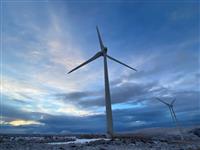
Transition to Renewable Energy: IEEFA advocates for a faster transition to renewable energy as a means to mitigate the volatile cost of fossil fuel power generation caused by supply shocks. Accelerating the shift to renewables could enhance South Korea's energy security.
-
Storage Capacity and Competition Challenges: The report raises concerns about the competition among developers proposing large LNG infrastructure projects in close proximity, making it challenging to secure end-users for the terminals. Smaller companies are investing in regasification and storage tank projects to gain market share, potentially leading to increased competition for a limited number of terminal users.
-
Recommendations Against Prolonging LNG Use: IEEFA advises against promoting technologies and services that might prolong LNG use without aligning with national climate goals. Technologies like blue hydrogen production and carbon capture, utilization, and storage are considered premature and controversial.
-
Financial Stability Concerns: The report warns about private-sector companies engaging in overinvestment, potentially exacerbating financial stability concerns by increasing debt and imposing a heavier burden on taxpayers.
IEEFA's report underscores the need for careful consideration and coordination in the development of LNG infrastructure to avoid potential overcapacity and financial risks, emphasizing the importance of aligning energy projects with South Korea's climate goals.